


4 Ways to Change Behaviour: The Right Sequence to Audit Behaviour Design Interventions


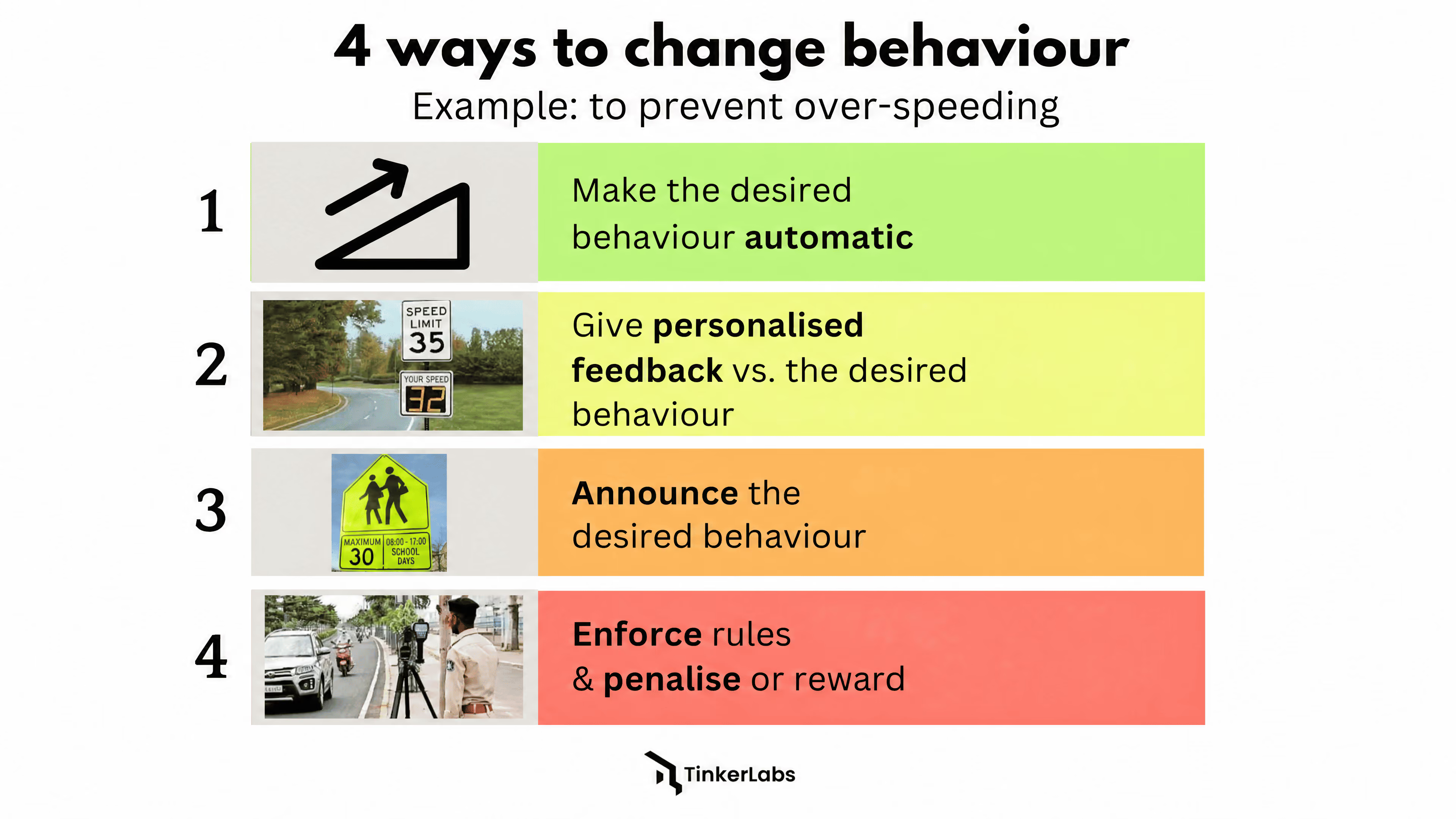
If I had to audit behaviour design interventions to reduce over-speeding, here’s how I would evaluate them:
(1) Make the desired behaviour automatic (or the inverse)
Think: Roads that are slanted against you so the default is to slow down, or like the Lake Shore Drive horizontal strips to break Edge Friction as you approach a curve.
This kind of intervention nudges users towards a behaviour by using defaults & first principles of good design, without restricting freedom of choice. In a lot of cases, the user won’t even notice this kind of intervention - it’s a pure System 1 fixed action pattern. This is the land of libertarian paternalism, where the perfect Don Norman doors reside.

If not (1)
(2) Provide personalised feedback vs. a benchmark
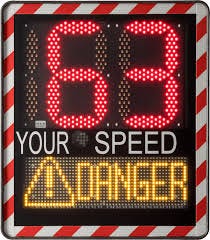
Think: Personalised speed indicators that tell you how fast you’re going. This one is more libertarian than (1) - assuming that the user will do what’s right once the personalised information about their behaviour vs. a benchmark has been provided to them.
If not (1 or 2)
(3) Inform what the desired behaviour is & why it’s there
Think: A simple set of signs informing users about the speed limit, maybe with the reason for it (like a school crossing). This one is even more libertarian than (1) - assuming that the person will do what’s right on knowing what the right thing to do is. This is where Intention-Action gaps wreak havoc.
If not (1, 2 or 3)
(4) Penalise those who don’t perform the desired behaviour
Think: Fines for over-speeding. This one switches over to being the most paternalistic of the lot.
When solving a behavioural problem (which is any problem that involves a decision), we must endeavour to create systems & environments that enable the better behaviour first. And then to inform or motivate users in as personalised a fashion as we can.
All these 4 options might change behaviour to some extent - but it’s the sequence of our attempts that is critical. All too often, we go the other way around - creating a rule & then trying to enforce it without using the power of design to make that rule easier to follow in the first place. The reason for this lapse is often two-fold: (1) It’s harder to arrive at a small, simple nudge vs. announcing the desired behaviour (2) Simple ideas are often invisible - not as instantly rewarding as a more visible, glamorous intervention might be.
We’ve landed ourselves another behavioural problem here, haven’t we?
About the Author

Pratyush Pillai
Head of Behaviour Design
Pratyush Pillai is a Marine Engineer turned Behavioural Strategist with 16+ years of experience designing systems where better behaviours become easier. He has led behaviour design projects for Swiggy, Kotak, Amazon, Flipkart, Lifebuoy, and HomeLane, and facilitated workshops for IIMs, MICA, and UCLA.

